I have a different episode on the ins and outs of AF (Auto Focus) settings, but this video is more of a practical approach of what I am actually doing to manipulate my camera WHILE I am shooting. On the R6, I have a love-hate relationship with eye/ face tracking, and while there is a time/ place for it, these tips will be more practical!
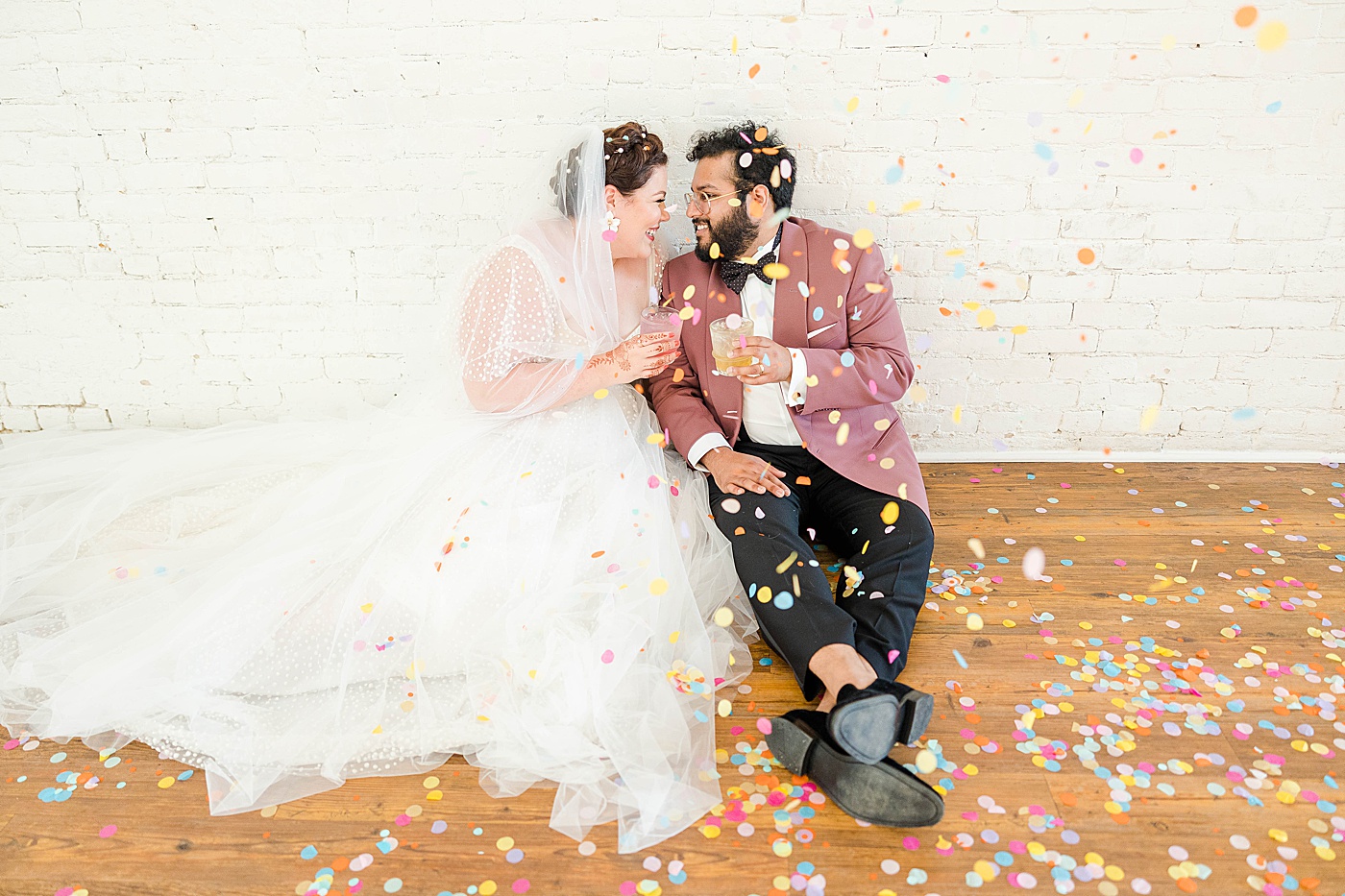
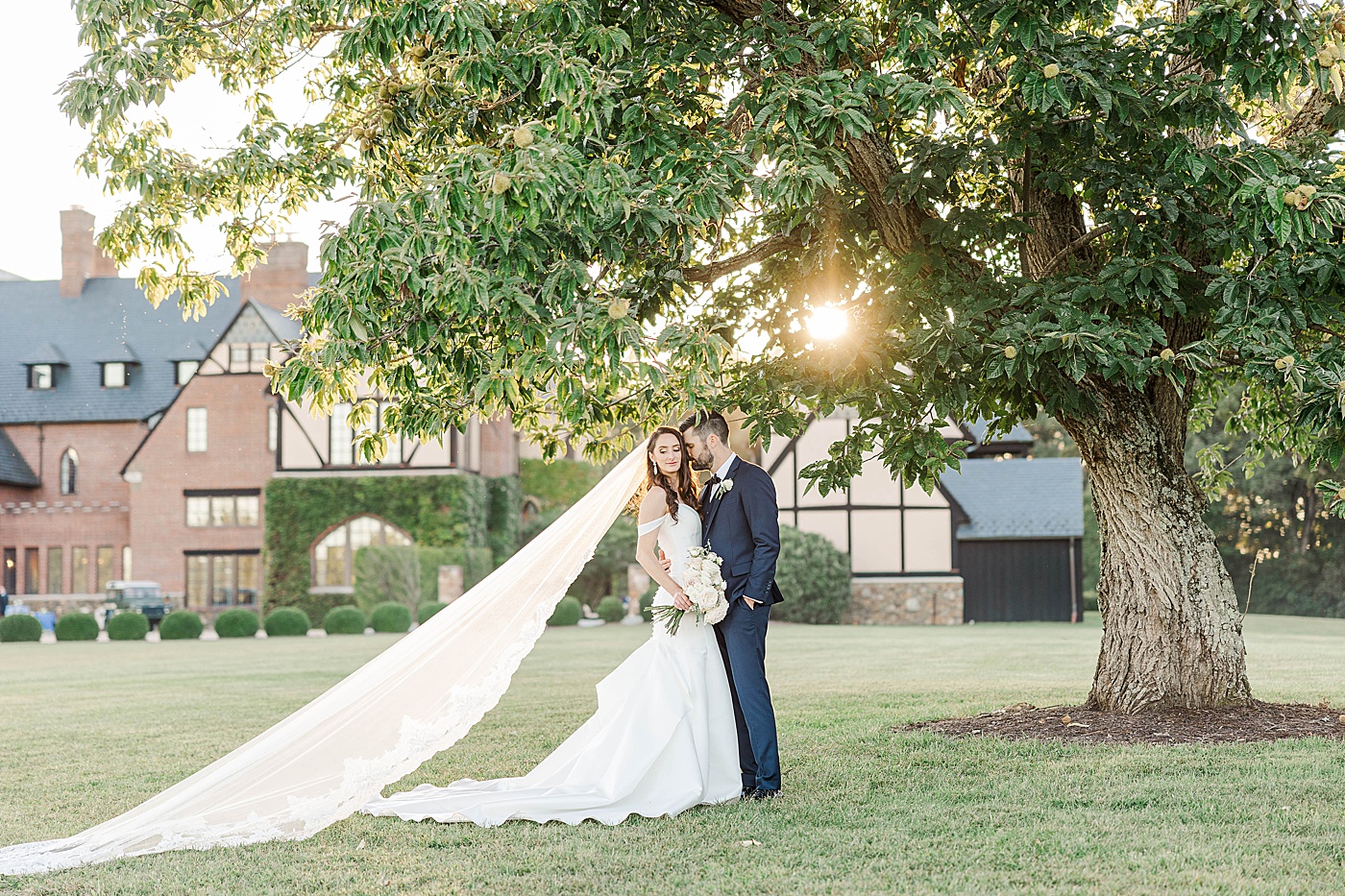
There has to be some strategy when thinking about where your focal point should be! It’s not just as simple as ‘put the focus on what you want to be in-focus.’
Here’s 5 tips you can use for the next time you’re shooting! :
Tip #1: Always use the smallest focus point!
You don’t want a cluster, or having your camera evaluating & creating its own focal point. The smaller the point, the more control & precision I have when shooting.
Tip #2: Focus on the Primary Subject
Composition and posing can play a huge role in who the primary subject of the photo actually is!
Tip #3: Closer to Subject = More Precision
If you’re shooting a wide picture with the couple far away, you don’t need to be as precise as a close up image!
Tip #4: Focus on Person Closest to Camera
Focus starts at a certain point and then grows backwards, so you don’t want to put your focus behind someone!
Tip #5: Be Mindful of your Focus Plane
If you think about a piece of paper going out from your sensor, and whatever it touches first is where your focal point is! So if you have a line of people that are curving in at the end, they will be in focus rather than the center.
Once you start to recognize some of these things while you are shooting, you will know what can change to make the image different!
Watch the video below to see examples and more tips on how to learn where your focal point should be!
If this was helpful and you want to continue to grow and learn, try KJ ALL ACCESS for free!! Click here to join now!!!
Have you seen some of our most popular youtube episodes?
We release brand new Youtube episodes each week ranging from business topics, personal episodes, gear reviews, technical training and behind the scenes education! If you’ve never explored this part of our photography education, dive in now! It’s free!! Enjoy!
If you want to save this for later, Pin It!!